



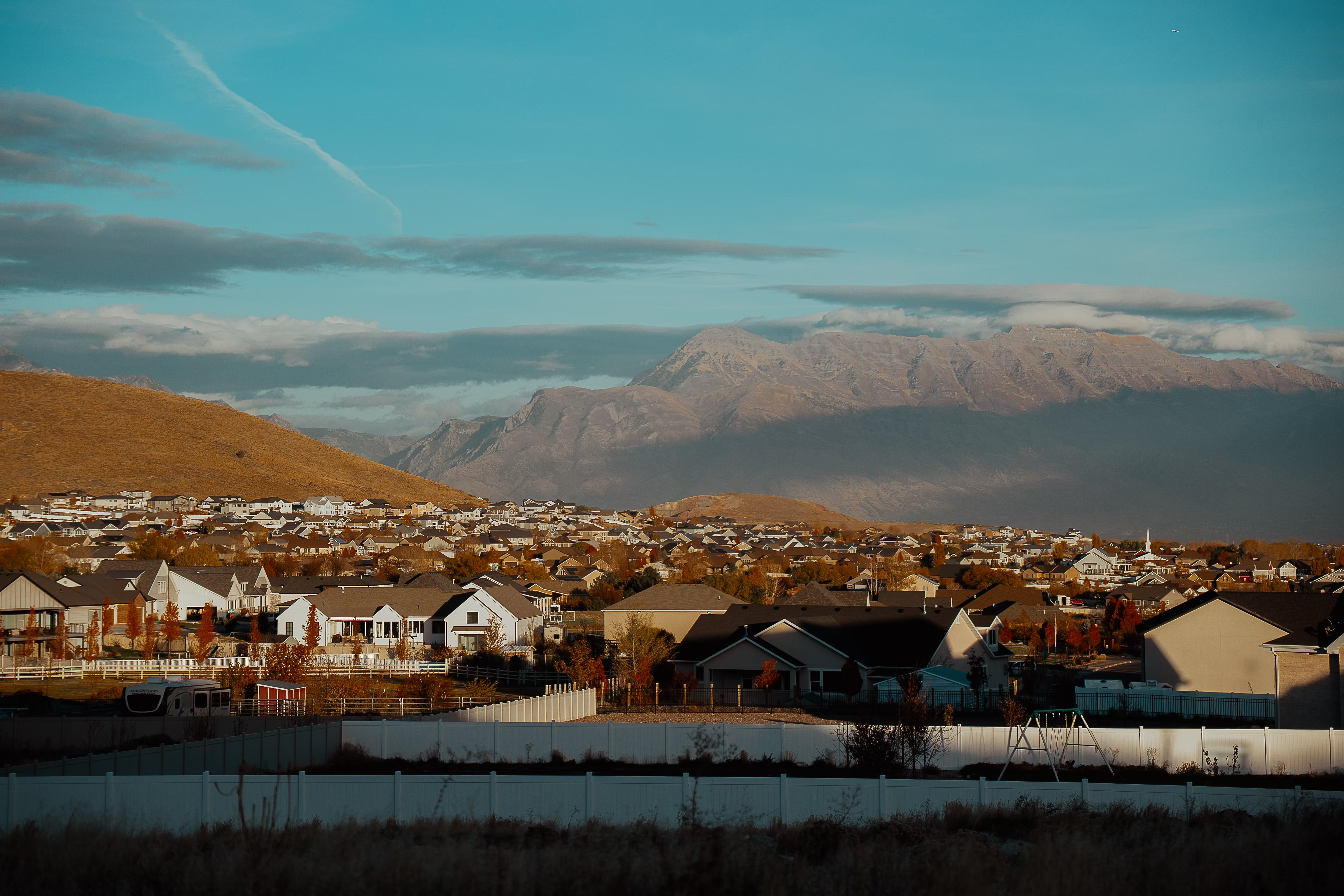

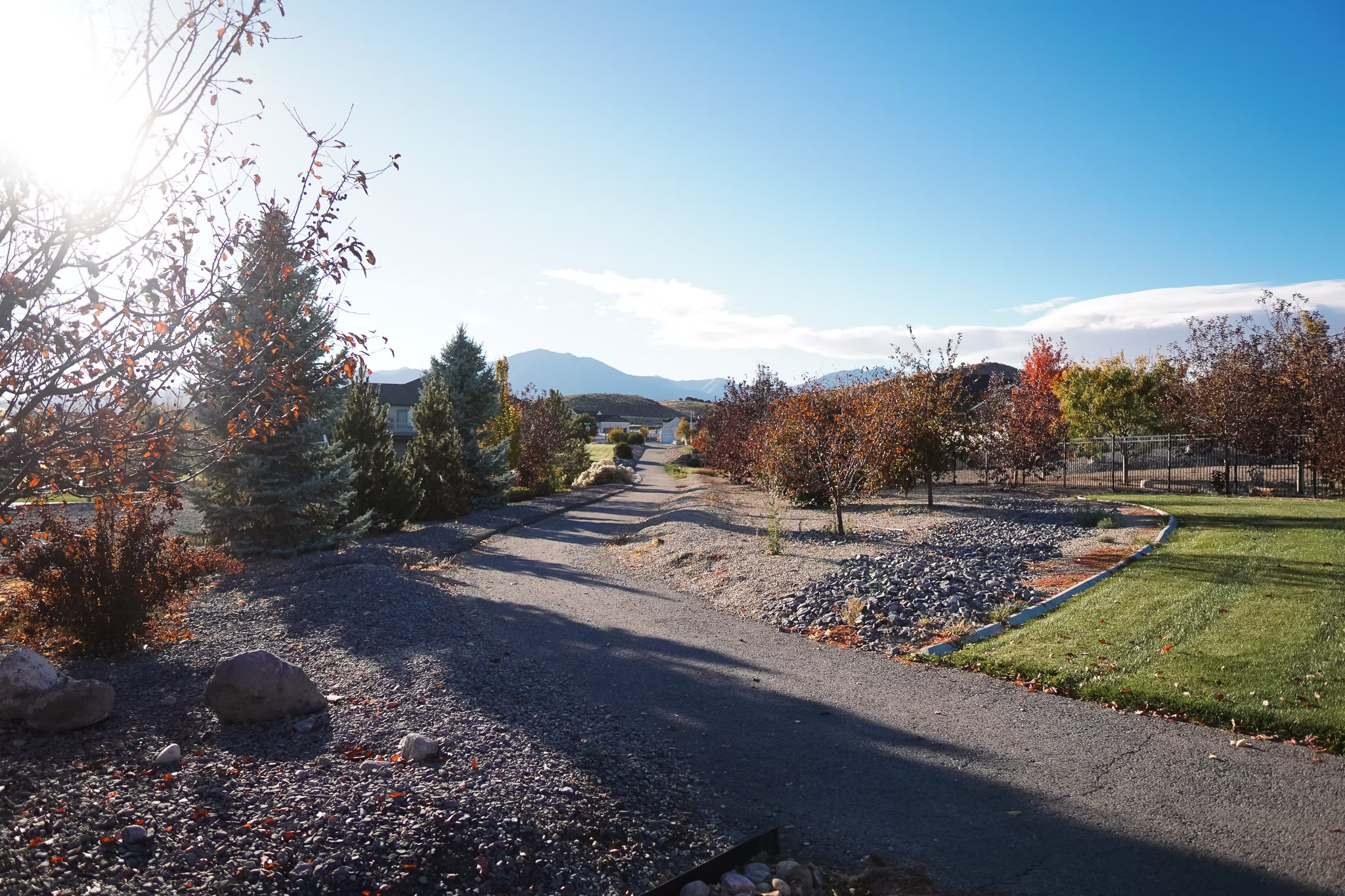
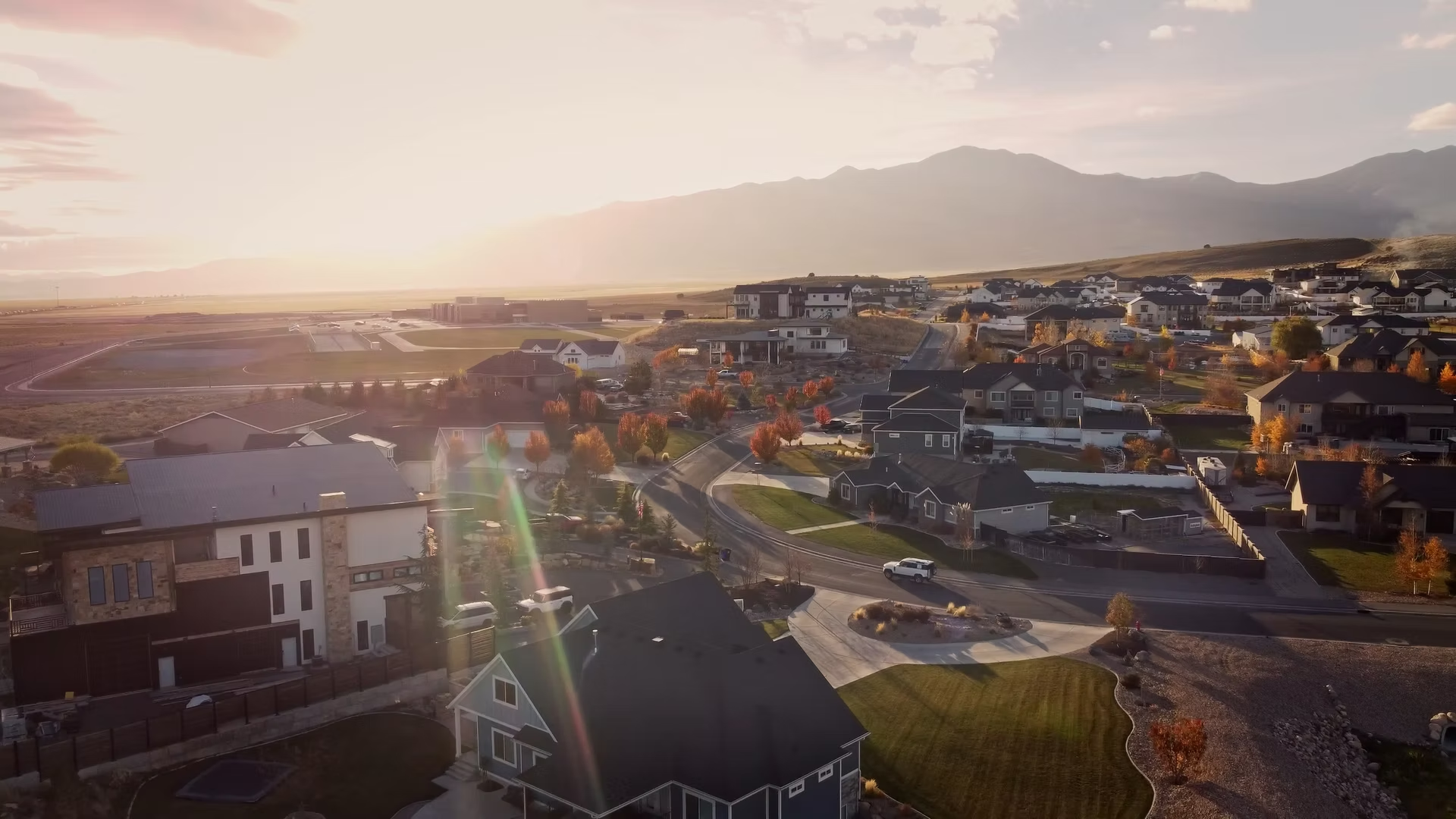
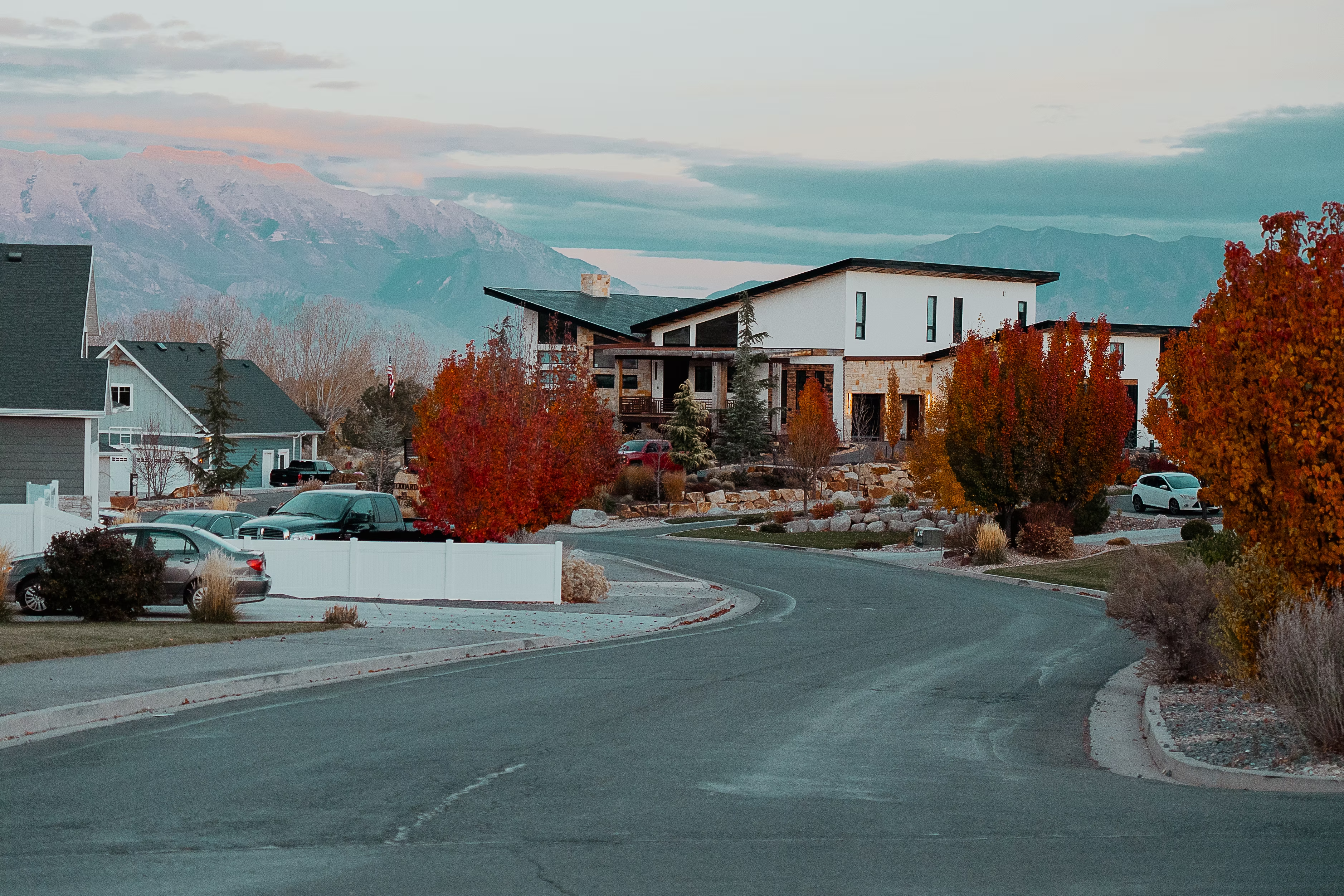
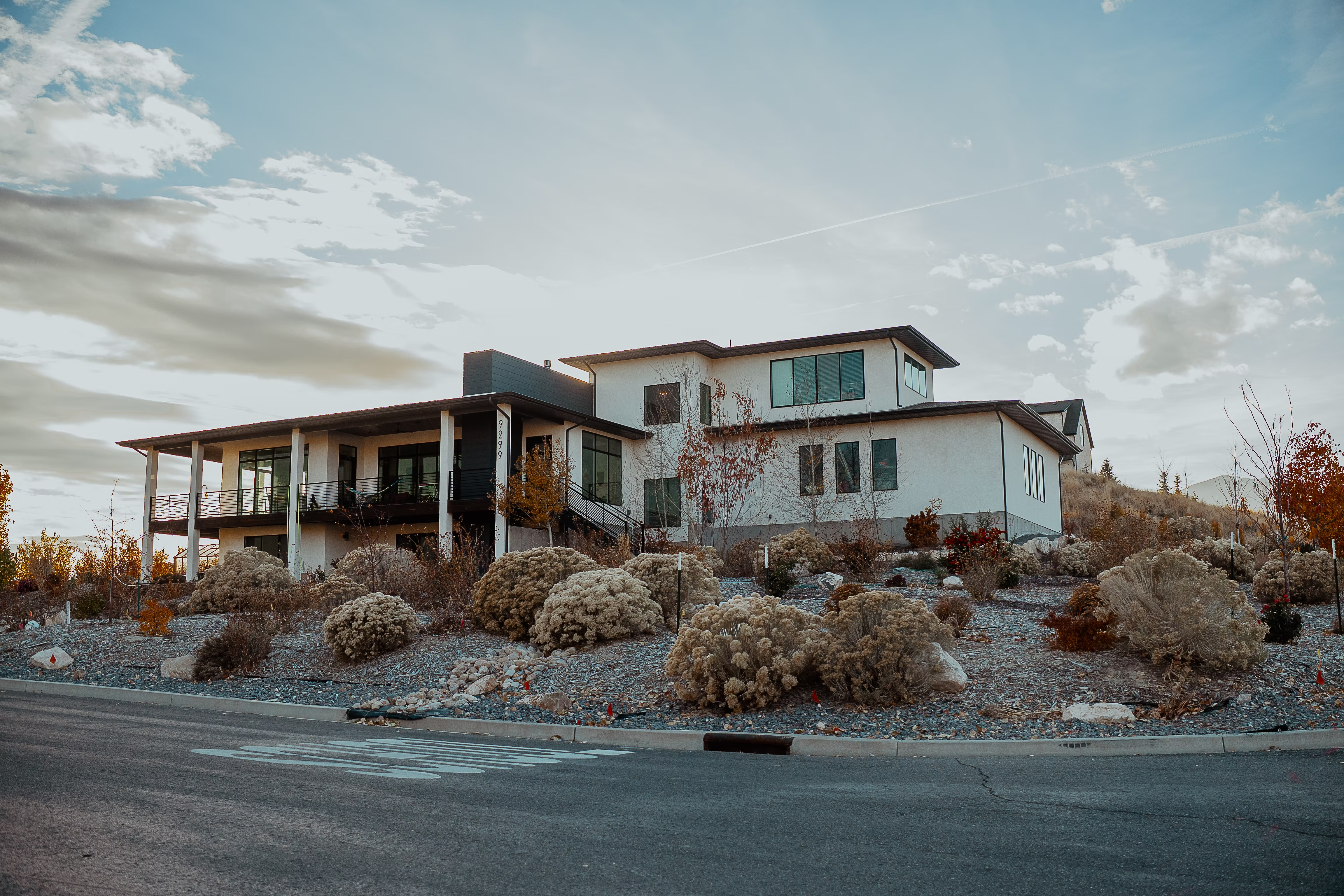
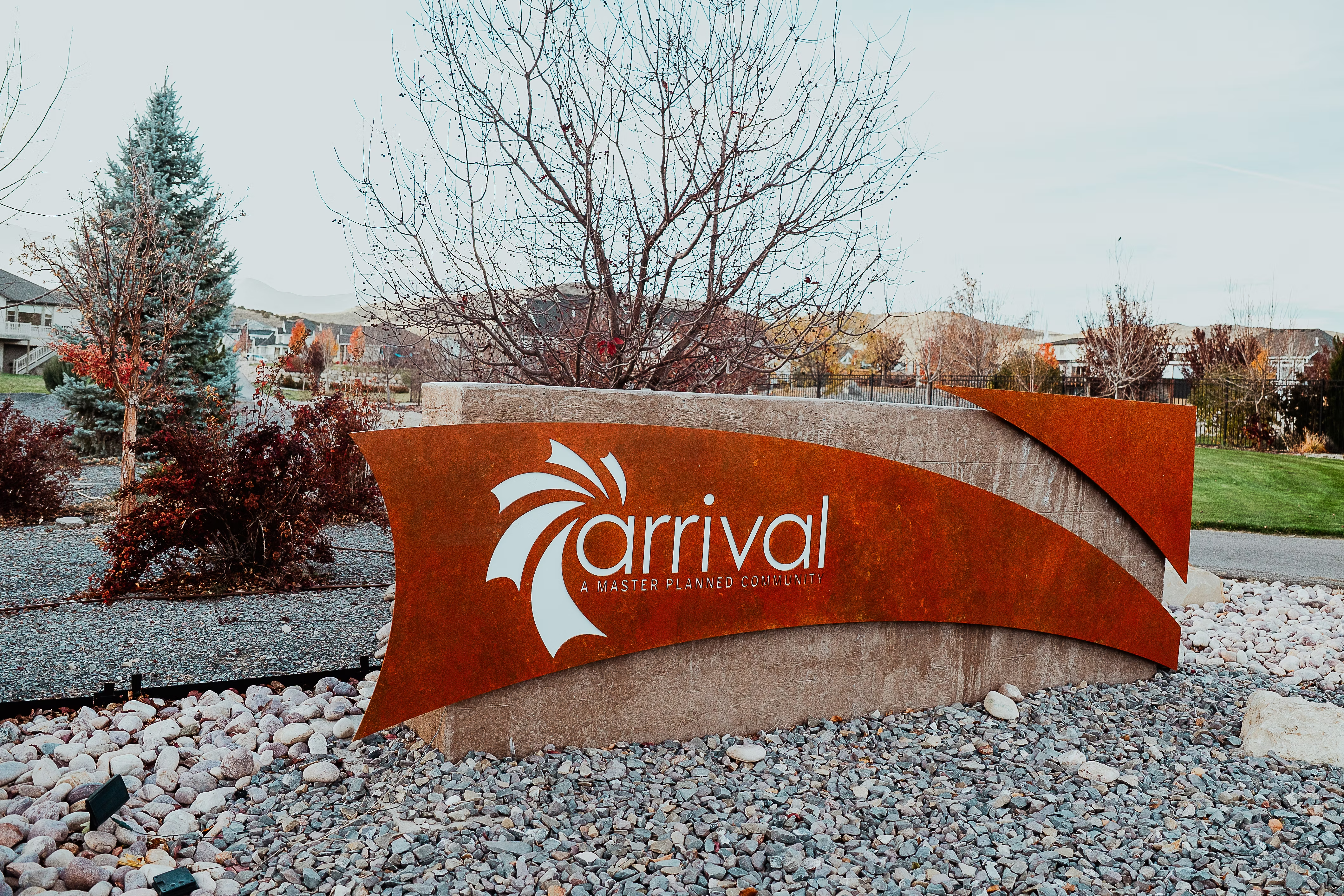
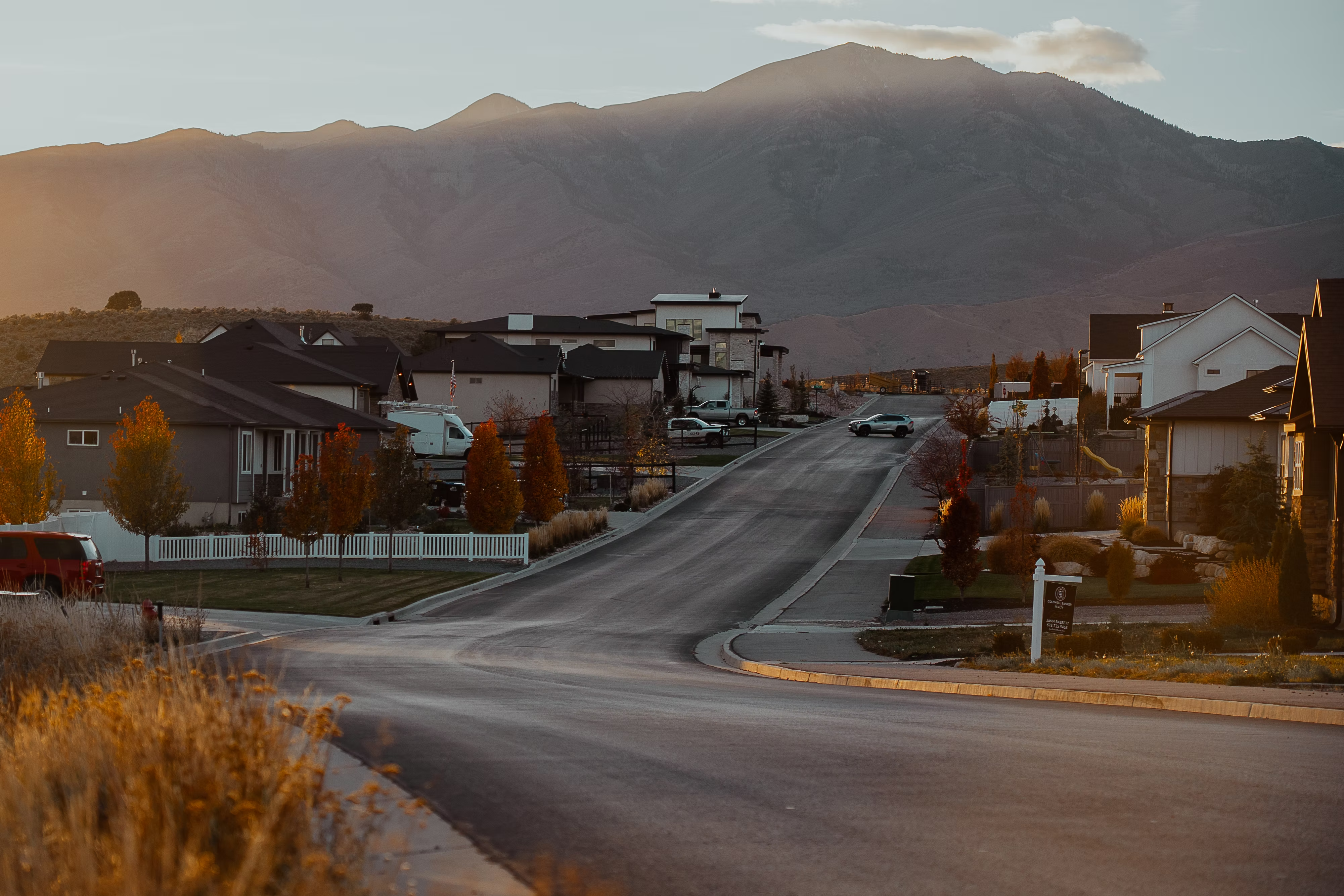
Arrival is a beautifully eclectic residential neighborhood developed over naturally undulating terrain. With its larger lots and carefully customized homes, the area has become one of the most coveted addresses in Utah County.



Mount Airey is a custom single-family home golf course community known as “The Ranches Golf Club”. This project integrates private ownership with various high-end amenities, a feat that required careful consideration of countless factors to accomplish.
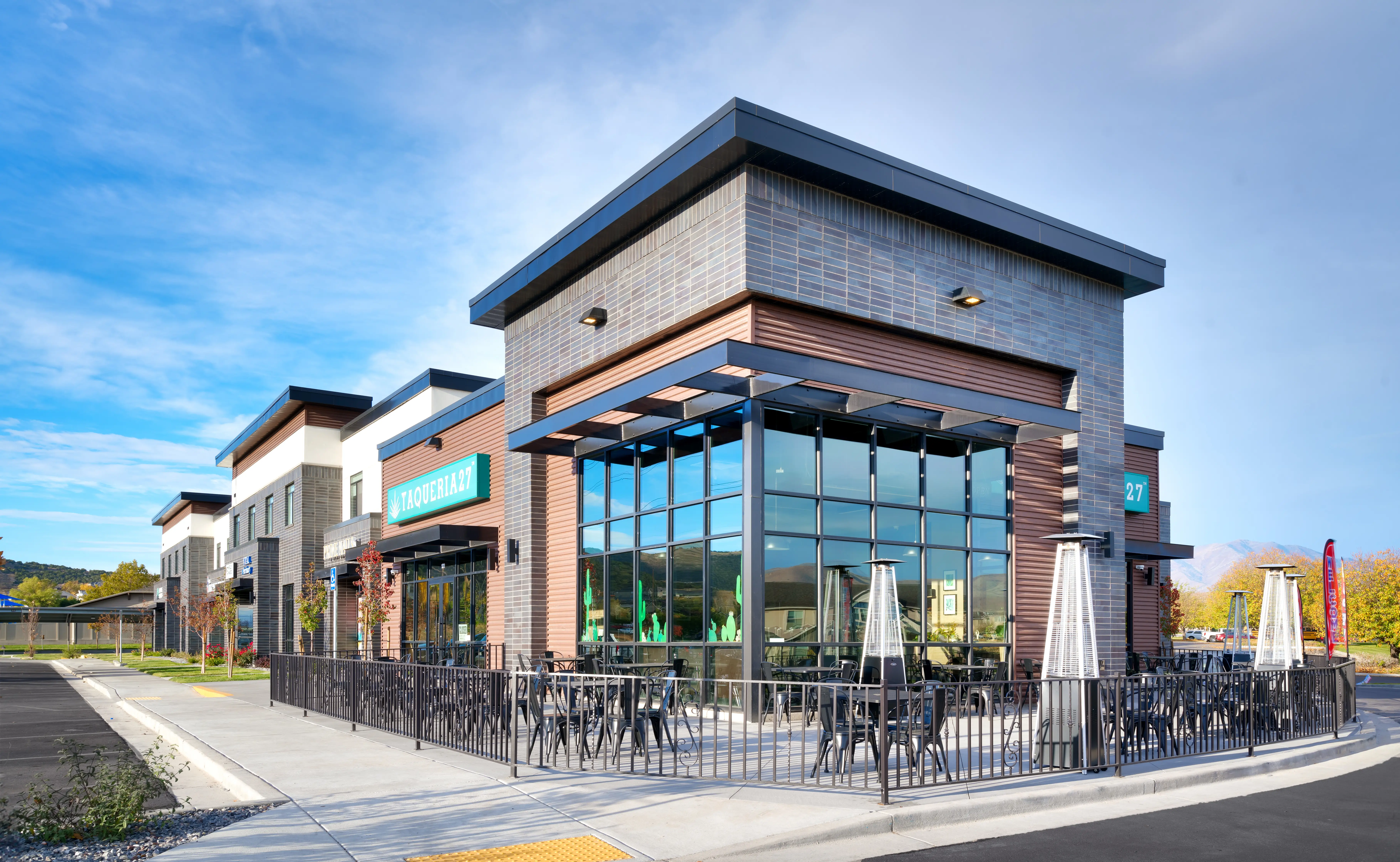
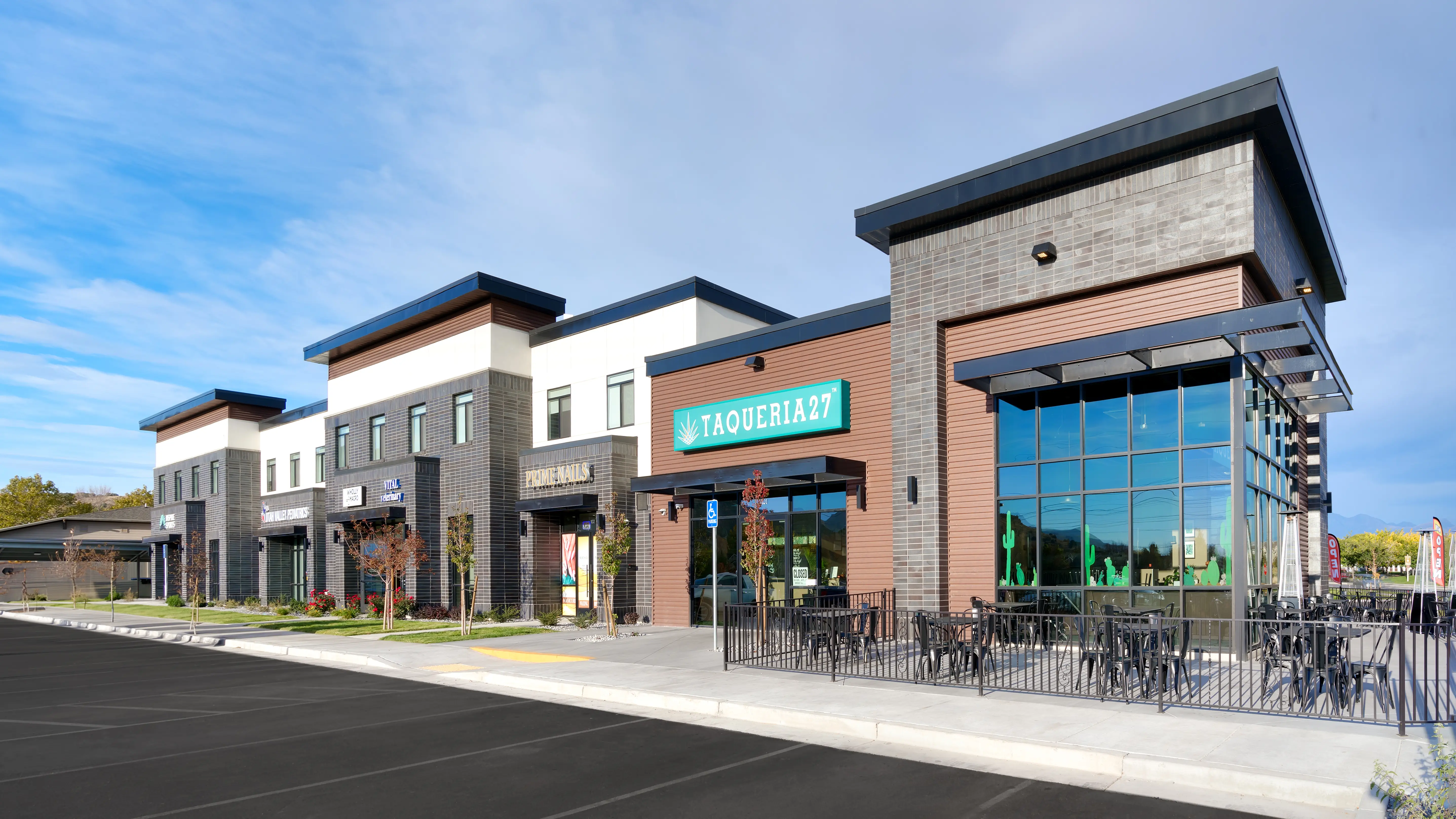
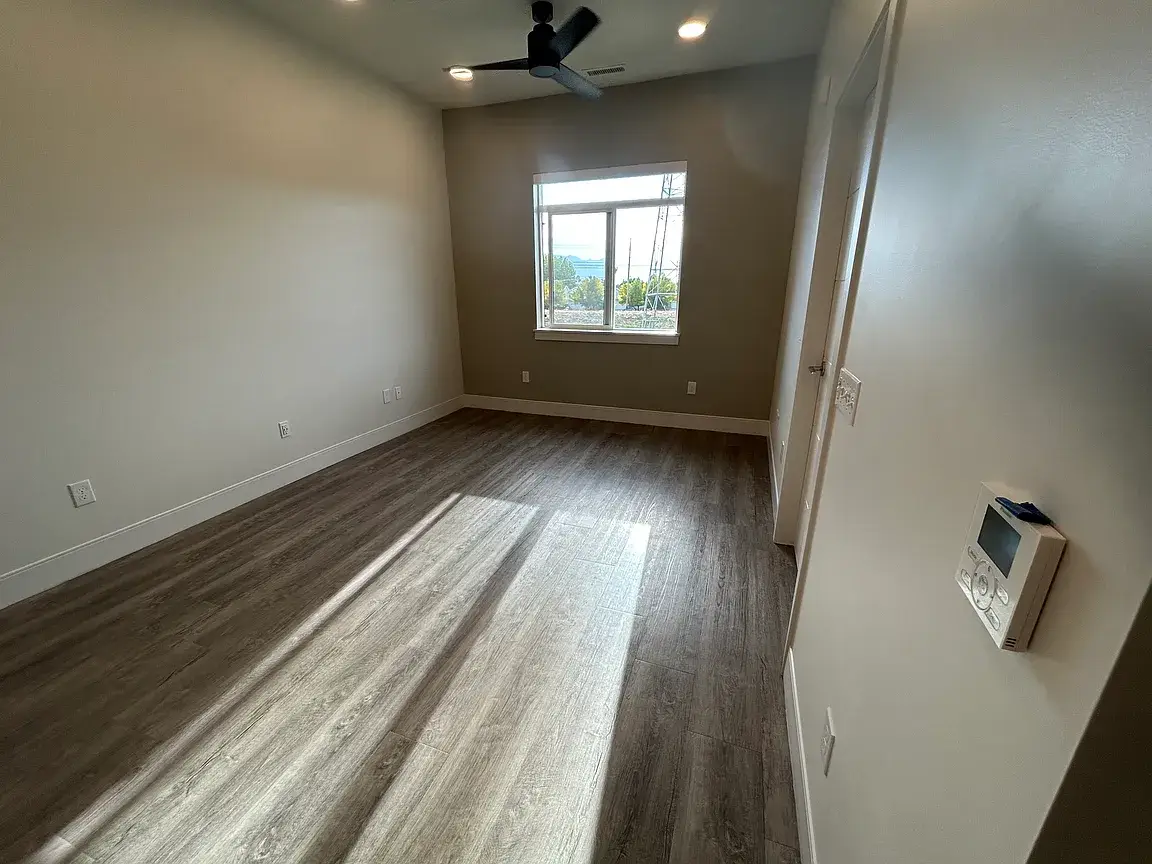
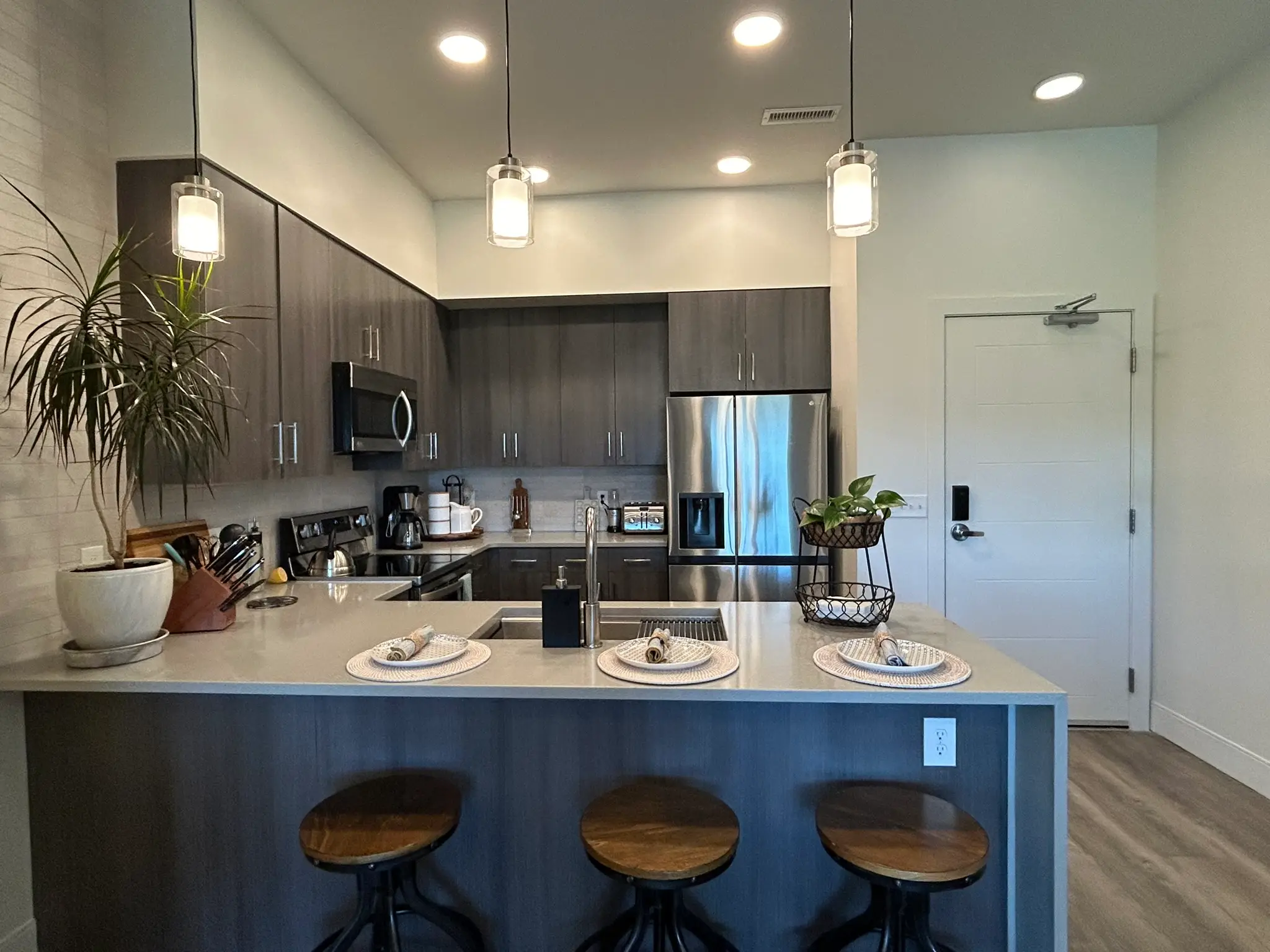
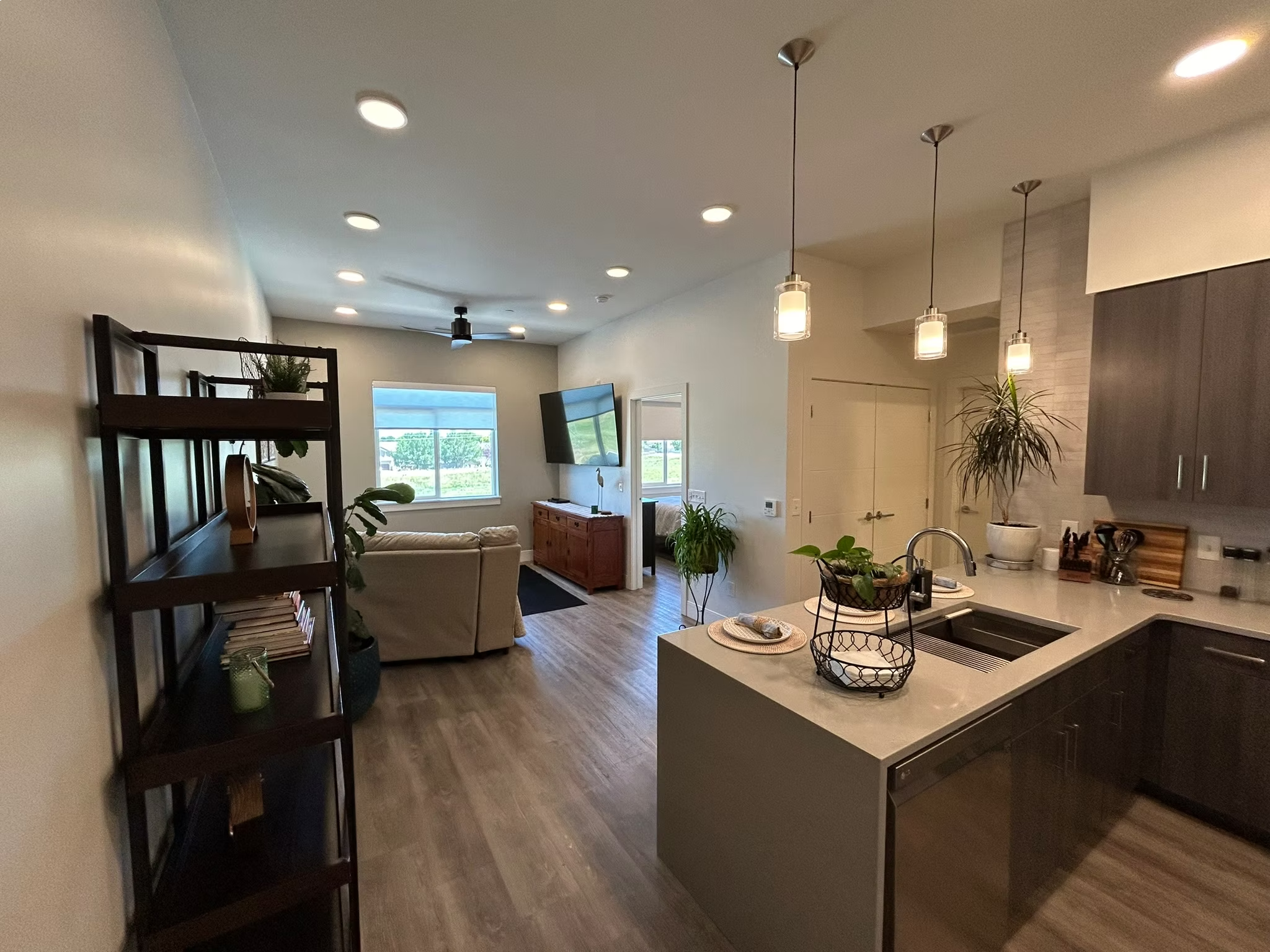
The Place at Parkway is a unique mixed-use property that showcases creativity in design and an ability to skillfully integrate multiple uses in a single location. With commercial units on the first floor, residential apartments on the second, and a full-service food truck hub on-site, it’s become a neighborhood hot spot for Eagle Mountain residents.
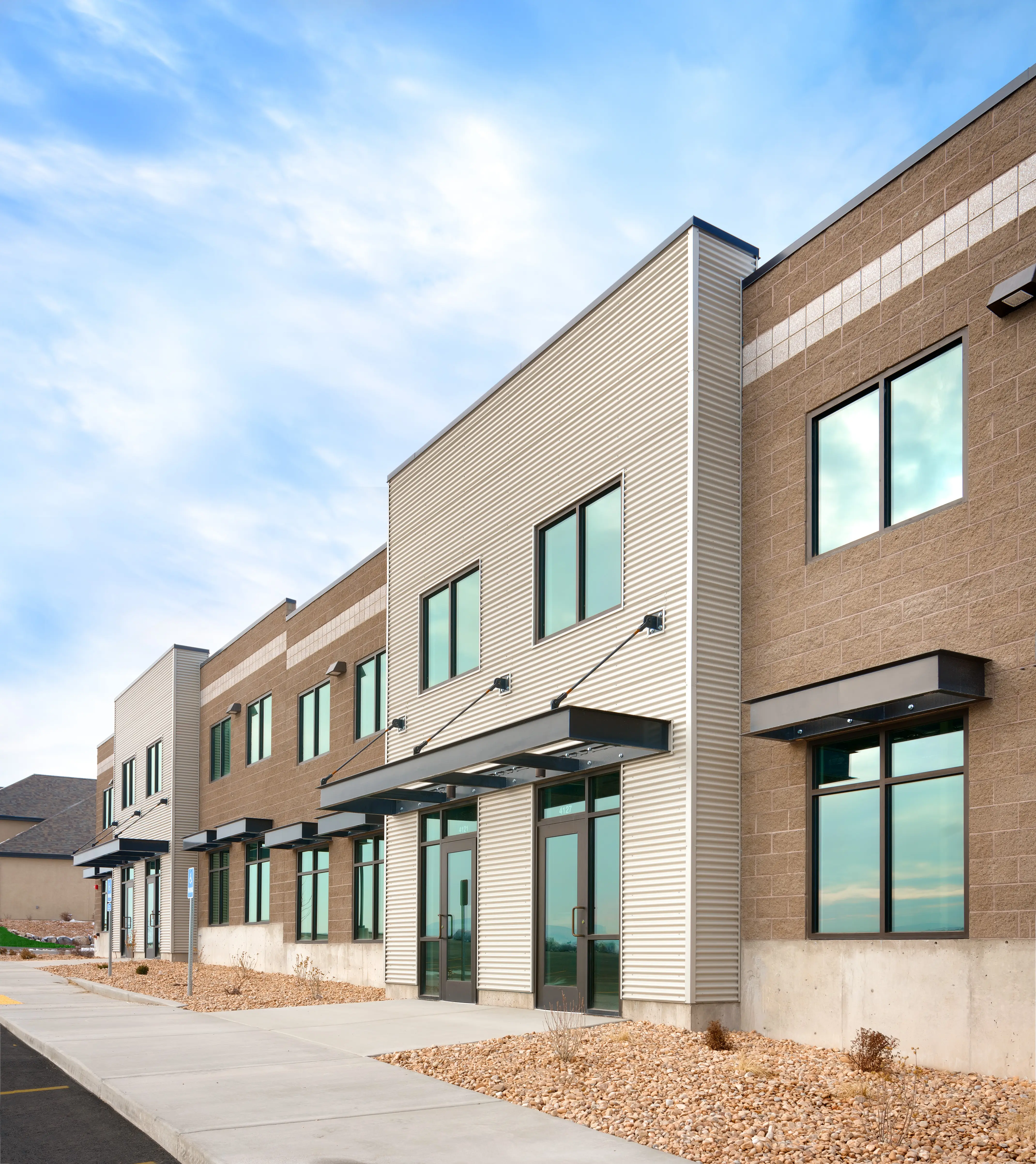
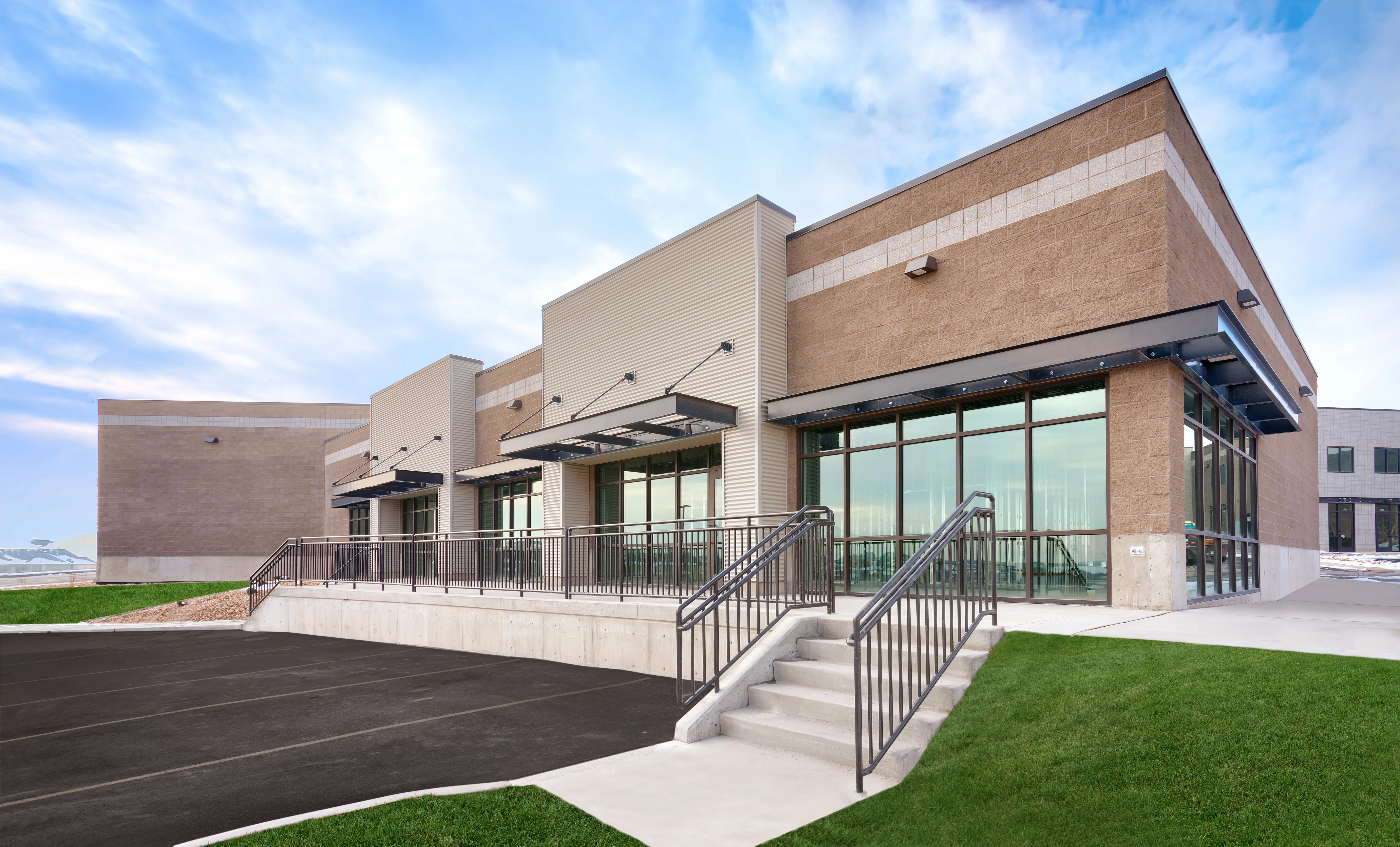
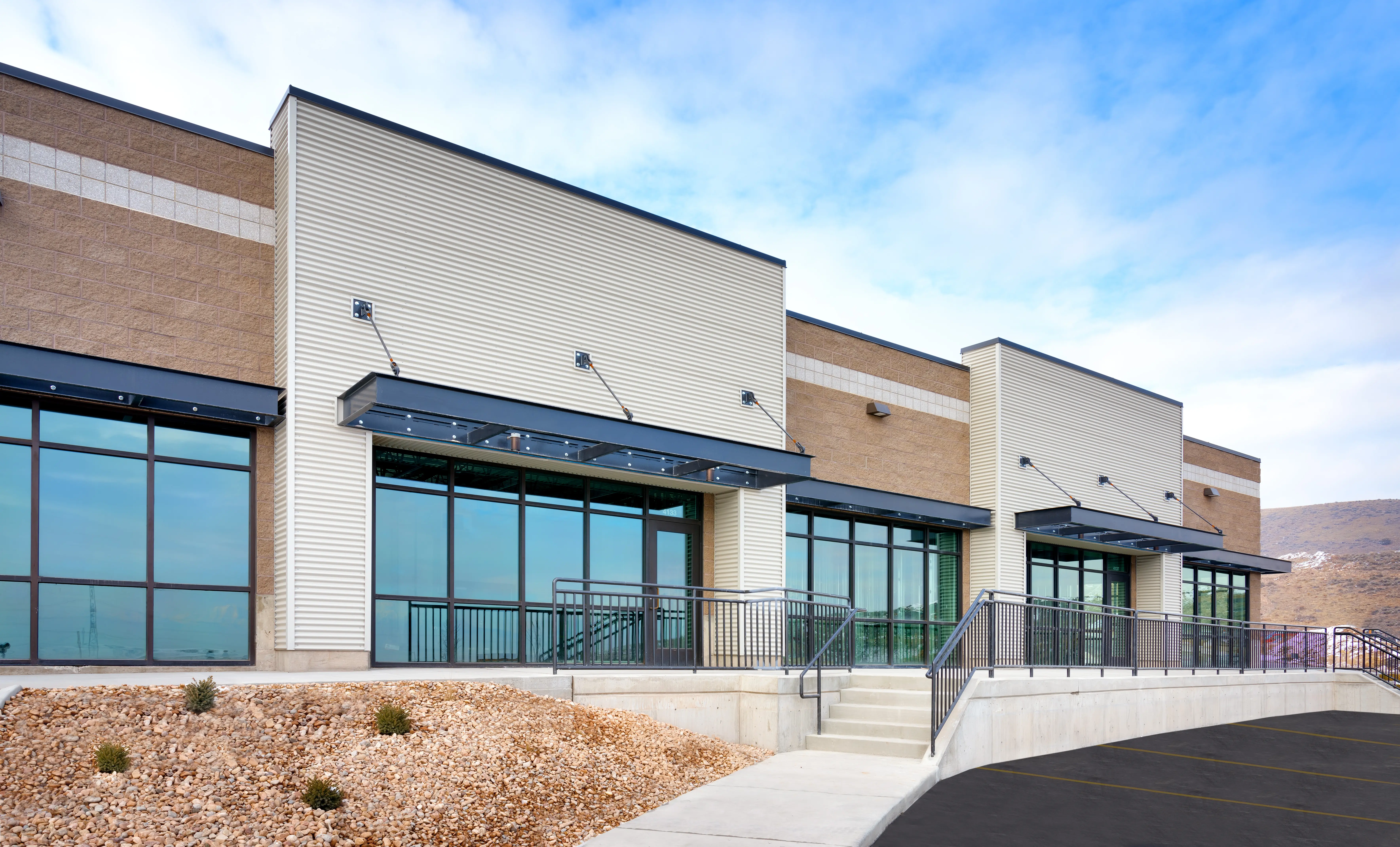
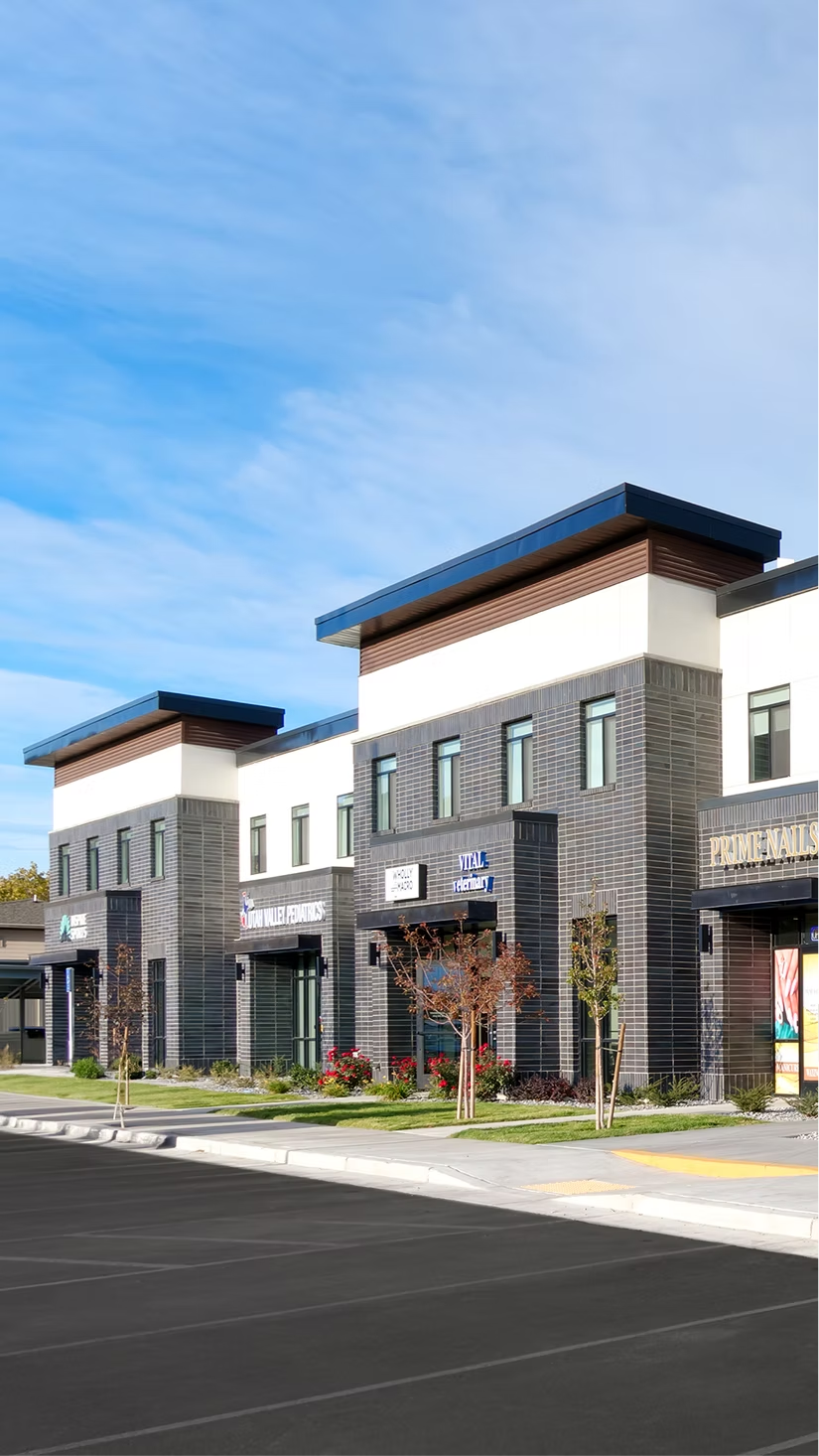
Gateway Park is a condominiumized professional space, permitting us to sell some units in the building while offering others for lease. This innovative delivery strategy gave the client we represented the ability to apply cost recovery + profits from the sold units against the units they decided to keep, thus reducing overall risk and increasing their profit.












Knowing when to sell is a delicate balance that considers current market conditions, market trajectory, and your personal circumstances as the land owner. There are many things to consider ranging from property value, contract terms, land use entitlements, tax impacts, and estate considerations. For our legacy family-owned land partners, we provide access (at our expense) to vetted estate and tax professionals to help you and your family navigate the complexities that can accompany selling larger parcels of land.
Definitely.
Geotechnical typically refers to what’s under the surface–what you can’t see without digging into the ground. Geotechnical engineers will collect soil samples and analyze them to evaluate bedrock conditions, determine water table levels, and decide what the soil can handle. They can answer common questions like whether there is shallow bedrock on the land (which would be extremely expensive to remove), if a high water table will require “draining or diverting” to build on the surface, and more.
Legislative elements will relate to the current city codes, rules, and standards where your land is located. It also includes what could be changed or “legislated” that’s not already contemplated in the current code.Often the ability to see what’s “not there” is the most essential skill to maximizing property use and value–a skill our team is happy to offer.
Short answer? Probably not.
The long answer is that most cities electronically track utility locations and capacities (pipe sizes, etc) and can let you know what you’ll need for your proposed development. For example, just because a sewer line runs in the road along your land does not mean there is current capacity or “room” left in the pipe for use. Before you build, a thorough analysis of utility capacities, their related locations, easements in place, and the cost to construct any missing components will be a critical part of your land use proposal.
Cities typically manage “wet utilities” such as sewer, water, pressurized irrigation, and storm drain systems. Other companies usually manage electrical grids, natural gas distribution, and fiber optic connectivity. All of these elements must be analyzed and then contracted out to ensure your land is properly serviced.
Creating the highest value from a parcel of land requires a solid understanding of land use laws and civil procedure, training in civil design and engineering elements, and a deep knowledge of the real estate market and its current trajectory. Missing the mark here can be expensive or even catastrophic if you’re not careful. If you need a hand, don’t hesitate to reach out. Talk with a team member today!
Before you develop your property, you’ll need to know how it’s been zoned or approved for use. Cities and counties use multiple documents to guide these sorts of decisions. One of these is a “General Plan” which is a visionary document intended to communicate possible future uses for a property. Another is a “Zoning Map” which is what shows the currently approved zone or use. City code defines permitted and conditional uses within each zone and outlines rules and standards associated with each zone.
Sound complicated? It can be. Chat with our team to get some guidance.
Property values are determined using various methods depending on the type of property being considered. The “comparable approach” is used for all property types. This is a process that identifies similar properties that have sold and, after adjustments are made for the differences between those similar properties, a comparable value is reached. When comparing properties, it’s important to consider all factors that affect market value. Things like location, size, age, soils conditions, legal access, proximity of utilities, and zoning and land use, can greatly affect your property’s value. It is also important to recognize that pricing of properties for sale are rarely considered when determining a property value. This is because owners can ask whatever they want for a property, but only a sold transaction reflects what an actual buyer was willing to pay for it.
Income producing properties like commercial and residential rentals benefit from an “income approach” analysis. This is a method suggesting that the income derived from a property should determine its value. The income approach requires real income information (not projected or “possible” income) and a proper understanding of all costs associated with owning and operating the property. Common market ratios such as CAP rates are then applied to the “net income” to arrive at a market value. To use an income approach analysis, understanding market dynamics and prevailing CAP rates in your area and for your property type is critical.